
Sports Betting in Nigeria: Trends and Insights
Edited By
Thomas Whitaker
Opening
Sports betting in Nigeria has emerged as a significant hobby and business, with millions placing wagers on football and other sports every week. This rapid growth ties closely to Nigeria’s booming digital access and the proliferation of mobile betting platforms like Bet9ja, NairaBet, and Merrybet. With smartphones widely available even in smaller towns, betting has become more accessible beyond the big cities.
The activity blends entertainment with financial prospects for many Nigerians, though it comes with its share of challenges. Popular sports for betting include Nigerian Premier League fixtures, English Premier League matches, basketball, and boxing events — each offering various bet types that range from simple win/lose choices to more complex accumulators and in-play bets.
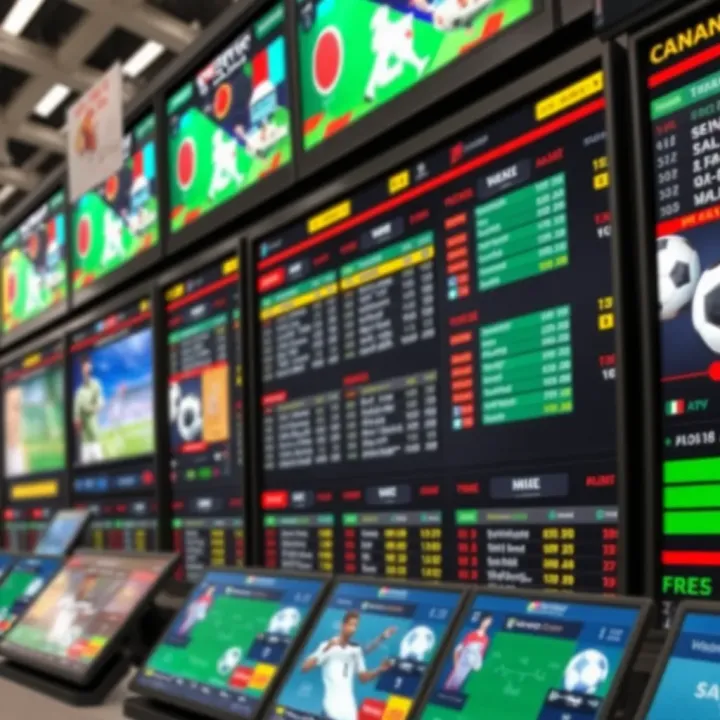
Many Nigerians participate in sports betting not just for fun but also as an additional income stream, sometimes staking as low as ₦100 to test their luck.
Understanding the legal landscape is essential before diving in. The National Lottery Regulatory Commission (NLRC) oversees betting operations, while age restrictions and licensing requirements aim to curb underage gambling and fraud. However, enforcement varies across states, meaning bettors should stay informed on local regulations to avoid pitfalls.
Technological advances have reshaped how Nigerians engage with betting. Platforms support instant deposits and withdrawals via mobile money, USSD codes, and bank transfers. Online agents and digital wallets enhance convenience but also demand caution to avoid scams.
In this article, you will find practical insights into the types of bets commonly available, the technology driving the sector, and the risks involved. Whether you are a casual bettor, a business entrepreneur eyeing opportunities in sports betting, or a professional trader tracking market odds, this guide will provide you with the knowledge needed to navigate Nigeria’s lively sports betting scene confidently.
Overview of Sports Betting in Nigeria
Sports betting has become a significant part of Nigeria's entertainment and economic fabric. Understanding its overview matters for anyone engaging in betting, entrepreneurship in the gaming sector, or studying its market impact. This section lays the groundwork by describing how betting evolved, its current size, and the main platforms operating today.
History and Growth of Sports Betting
Initially, sports betting in Nigeria was informal, conducted in local spots like markets and neighbourhood hangouts where friends and acquaintances wagered small sums on matches. Over time, this unregulated activity grew into a business with clearer rules and licensing, especially after the National Lottery Regulatory Commission tightened oversight in the 2000s. Today, betting firms must comply with clear licensing requirements, reducing scams and protecting consumers.
Football has been the main driving force behind betting’s rise in Nigeria. The passion for local leagues and international tournaments like the English Premier League makes football the most bet-on sport. Other popular sports like basketball and tennis have steadily gained attention, widening the market. Football’s dominance means most betting products are designed around football outcomes, from match results to specific players scoring first.
Current Market Size and Trends
Nigeria’s sports betting industry is estimated to be worth billions of naira annually, with millions of active users across the country. Leading companies such as Bet9ja, NairaBet, and Merrybet dominate the scene, offering diverse betting options through websites and apps. The competition among these platforms encourages innovation — for instance, Bet9ja’s app is widely downloaded, enhancing accessibility for smartphone users.
Betting channels in Nigeria range from physical shops in bustling areas like Lagos and Abuja, to digital platforms accessible on mobile phones. USSD betting has grown popular among users without reliable internet access, allowing them to place bets using simple codes on feature phones. The blend of traditional retail shops with mobile and USSD options ensures that both urban and rural bettors can participate easily.
The accessibility of USSD codes and mobile apps has notably expanded betting’s reach, making it a mainstream entertainment choice across socioeconomic groups.
In summary, the overview of sports betting in Nigeria highlights how a once informal pastime has grown into a regulated industry with significant economic and cultural influence. This foundation helps readers grasp the sector’s complexity and the opportunities available within Nigeria’s betting landscape.
Common Sports and Betting Types Favoured by Nigerians
Understanding the sports and bet types popular among Nigerians is crucial because it shapes how bettors engage with the market and informs operators on which offerings to prioritise. Betting choices reflect local interests and cultural ties, meaning the sports Nigerians favour are not just entertainment but also livelihood sources for many agents and platforms.
Popular Sports for Betting
Football dominates the Nigerian sports betting scene. Leagues such as the English Premier League, UEFA Champions League, and even local Nigerian Professional Football League (NPFL) attract the bulk of betting activity. For example, many bettors closely follow matches between Chelsea and Arsenal during weekends, placing wagers on outcomes, goal scorers, or half-time results. The universal love for football makes it a natural focus for betting operators who often roll out promotions and bonuses tied to major tournaments like the FIFA World Cup or AFCON (Africa Cup of Nations).
Beyond football, sports like basketball and tennis have gained traction, especially among younger, urban bettors who consume international sports content. Nigerian basketball fans often place bets on the NBA, following stars such as Giannis Antetokounmpo and LeBron James. Meanwhile, tennis events like Wimbledon and the US Open see consistent bettor interest, especially with in-play betting options. Other sports, including athletics and boxing, also attract occasional bets, but football, basketball, and tennis remain the pillars driving most wagers.

Types of Bets and How They Work
Single bets and accumulators remain fundamental to sports betting in Nigeria. A single bet involves staking on one outcome; for instance, predicting that Rivers United will beat Enyimba. It’s straightforward, with a simple win or lose return. Accumulators combine multiple selections into one bet, multiplying potential winnings but also increasing risk. For example, a bettor might select winners in the last three Premier League matches in one slip; all must be correct to win.
Live betting and in-play markets have grown as internet access improves. These allow bettors to place wagers while the game unfolds, such as betting on the next goal scorer or the result of the current half. This aspect particularly attracts bettors keen on real-time action and provides more dynamic opportunities compared to pre-match bets.
Special bets like correct score or first goalscorer add variety and excitement. Correct score bets require predicting the exact final scoreline — say, Nigeria 2, Ghana 1 — offering attractive odds for risk-takers. First goalscorer bets focus on which player will open the scoring, popular during matches featuring standout forwards like Victor Osimhen or Kelechi Iheanacho. These special bets often come with higher odds, appealing to those expecting specific match moments rather than overall outcomes.
Knowing the sports and bet types that resonate most with Nigerians helps both new and seasoned bettors sharpen their strategies while allowing entrepreneurs to tailor their sports betting platforms effectively.
This knowledge helps make informed choices and better manage risks, improving the overall betting experience for Nigerian punters.
Technology and Payment Methods in Nigerian Sports Betting
The role of technology and payment methods in Nigerian sports betting cannot be overstated. They form the backbone that supports accessibility, convenience, and security for bettors across Nigeria. As mobile phone penetration rises, more people rely on digital platforms and efficient payment solutions to place bets easily without visiting physical shops. This shift broadens participation beyond urban centres into rural areas, empowering a wider range of Nigerians.
Digital Platforms and Mobile Betting
Mobile apps developed by key players like Bet9ja, NairaBet, and OPay have transformed how Nigerians engage with sports betting. Users can download these apps on Android or iOS devices, giving them round-the-clock access to thousands of betting markets, live scores, and instant notifications. For example, Bet9ja's app features in-play betting with real-time odds changes, making the experience more interactive and dynamic. This convenience appeals particularly to the younger demographic who rely heavily on smartphones.
For those with limited internet access, USSD and SMS-based betting options remain vital. Platforms offer simple codes dialled from basic phones, allowing users to place bets, check balances, and receive updates without data. This solution reaches those in areas with poor connectivity or users who prefer not to use smartphones. A NairaBet customer in a remote state, for instance, can still participate fully through such USSD services, showing its practical relevance in bridging the digital divide.
Payment and Withdrawal Methods
Bank transfers and card payments are widely accepted across major sports betting platforms. Nigerian banks like GTBank, Access Bank, and Zenith Bank support quick fund transfers directly within betting apps or websites. This allows bettors to top up accounts safely without cash handling. Debit cards, particularly Visa and Verve, offer an additional layer of convenience for instant deposits and seamless withdrawals.
E-wallets and fintech solutions further streamline transactions. Popular services such as Paystack, Flutterwave, and OPay facilitate swift transfers with minimal charges. Fintech platforms integrate with sports betting providers, enabling quick wallet-to-wallet transfers that avoid traditional banking delays. This flexibility has encouraged more Nigerians to adopt e-wallets for betting transactions, appreciating the ease and speed of digital payments.
Agent networks and retail outlets form the last but crucial part of the payment ecosystem. Licensed betting agents operate kiosks and shops in towns and cities, accepting cash deposits and handing out winnings directly. This model caters to bettors who prefer offline transactions or lack bank accounts. Agents also serve as customer support hubs, guiding users unfamiliar with digital methods. Together, these physical outlets ensure that sports betting remains accessible to Nigerians regardless of technology comfort levels.
Reliable technology combined with versatile payment methods has broadened sports betting's reach across Nigeria, offering both convenience and security to millions of users.
Through this mix of mobile apps, USSD codes, bank transfers, e-wallets, and agent networks, Nigerian sports betting continues to adapt and grow in an increasingly digital and interconnected world.
Regulatory Landscape and Legal Issues in Nigeria
Understanding the regulatory framework behind sports betting in Nigeria is essential for bettors, operators, and investors. It defines who can legally run betting businesses, protects consumers from fraud, and ensures responsible gambling practices. Without clear oversight, the market risks being flooded with unlicensed operators that can cheat customers and create financial losses.
Licensing and Oversight by Nigerian Authorities
The National Lottery Regulatory Commission (NLRC) plays a central role in licensing and regulating sports betting activities in Nigeria. While the federal government sets broad guidelines through the NLRC, individual states have their own laws that can affect betting operations. For example, Lagos State has specific rules that betting firms must follow to get local approval in addition to their federal licence. This dual system can sometimes complicate operations but is intended to ensure that businesses respect both national standards and state-specific concerns.
To legally operate, betting companies must secure licences from the NLRC and meet several conditions, including paying licence fees and adhering to reporting requirements. These requirements help to weed out untrustworthy operators and provide a safer market environment. For instance, Bet9ja, one of the largest betting companies in Nigeria, complies fully with NLRC licensing protocols, which assures customers of legitimacy.
Compliance and Consumer Protection
A key part of regulatory oversight tackles age restrictions and promoting responsible gambling. Nigerian law forbids betting for anyone under 18 to protect youth from the risks of gambling addiction. Betting platforms also implement features like self-exclusion options and deposit limits, giving customers tools to avoid overspending. This is important given that many Nigerians, young and old, are drawn to betting as a form of entertainment or income, which can sometimes lead to financial difficulties.
Preventing fraud and illegal betting remains a major challenge. The NLRC closely monitors operators to detect suspicious activities and shut down illegal betting outlets. Consumers are encouraged to verify licences before placing bets, ensuring they avoid scams run by unlicensed operators. For example, unlicensed companies may offer unrealistic odds or delay payouts. Authorities rely on stakeholder cooperation to track fraud and bring offenders to justice.
Knowing the regulatory landscape empowers bettors to make safer choices and supports a healthier sports betting ecosystem in Nigeria.
In summary, the regulatory and legal framework anchors the industry’s growth and sustainability by enforcing licensing, state law compliance, protective mechanisms, and fraud prevention. For entrepreneurs aiming to enter this competitive field, understanding these legal nuances is vital for smooth, lawful business operations.
Risks and Responsible Betting Practices
Understanding the risks linked with sports betting and maintaining responsible betting habits is vital for anyone involved in Nigeria’s betting scene. These practices help safeguard bettors from financial harm and emotional stress, especially in a market that continues to grow amidst varying degrees of regulation. Knowing the pitfalls and managing your betting activity responsibly can make a big difference in your overall experience.
Common Risks for Nigerian Bettors
Addiction and financial losses are among the most serious risks Nigerian bettors face. Betting can quickly become addictive, especially when players chase losses or bet beyond their means. For instance, some bettors stake large sums of money lost from previous bets, hoping to recover quickly, but often end up spiral into deeper debt. Such situations can lead to problems at home, work, and with friends, affecting mental health and personal finances. It’s worth noting that the emotional highs and lows of betting can cloud judgement, pushing bettors into risking more than they can afford.
Scams and unlicensed operators also pose significant dangers. The rise of online betting platforms has attracted many scammers who offer fake services or manipulate results to cheat users. Many unlicensed operators fly under the radar, showing flashy ads but providing zero consumer protection. For example, you might deposit money and find it impossible to withdraw winnings due to false technical issues or outright refusal. This makes it crucial to verify the legitimacy of a betting platform by checking if it holds a valid licence from authorities such as the National Lottery Regulatory Commission.
Tips for Managing Betting Activities
Setting limits and sticking to budgets can protect your bankroll and keep betting fun, not a source of stress. Before any betting session, decide on a maximum amount to wager and don’t exceed it regardless of wins or losses. This discipline helps avoid that common trap where bettors add more money just because they feel unlucky or want to chase a jackpot. Using betting platforms that allow you to set deposit or loss limits can be very helpful in building this habit effectively.
Knowing when to stop is a vital part of responsible betting practice. It means recognising when a hobby turns harmful or when losing streaks signal it’s time to take a break. This doesn’t only apply to big losses, but also to emotional signs like frustration, anxiety, or neglecting other responsibilities. If you find yourself constantly thinking about betting or wagering to escape problems, it is advisable to pause and even seek support from organisations specialising in gambling addiction.
Responsible betting isn’t just about avoiding losses but also about ensuring enjoyment and control. Managing your betting habits well protects both your finances and mental health in Nigeria’s vibrant but risky betting environment.
By being aware of these risks and practising responsible betting, you can enjoy sports betting as an entertaining activity without it taking over your life or wallet.
Economic and Social Impact of Sports Betting in Nigeria
Sports betting has woven itself into Nigeria’s economy and social fabric, bringing both opportunities and challenges. While the sector provides employment and generates revenue, it also raises concerns about social issues, especially among young people. Understanding these effects is key for anyone involved in the industry or those considering participation.
Contribution to Employment and Revenue
Betting companies have become significant employers in Nigeria, offering jobs not only within their offices but also through vast networks of agents and retail outlets. For instance, companies like Bet9ja and NairaBet employ thousands of staff, including customer service reps, IT specialists, and marketers. Meanwhile, local agents earn steady income by facilitating bets in towns and cities, sometimes combining this role with other small businesses, such as running a small shop or internet café. This widespread involvement makes sports betting a practical source of income for many Nigerians.
On top of job creation, sports betting contributes to government revenue through taxes and levies imposed on operators. The National Lottery Regulatory Commission and various state governments collect taxes from licensed companies, helping to fund public services. For example, the Lagos State government levies a betting tax that forms part of its internally generated revenue, which can support infrastructure projects or social programmes. Clearly, sports betting is more than just entertainment; it forms a part of Nigeria’s fiscal ecosystem.
Social Challenges and Public Perception
Despite the economic benefits, sports betting comes with social concerns, particularly over youth involvement. Many young Nigerians see betting as an easy route to quick money, which sometimes encourages risky behaviour and excessive spending. This gambling culture can also influence students and unemployed youth, whose limited financial resources make overindulgence potentially harmful. Such trends have sparked debates among parents, communities, and policymakers about protecting young people from the pitfalls of gambling addiction.
Recognising these risks, several organisations and betting companies have started campaigns to promote responsible gambling. Educational programmes teach bettors how to manage their stakes and recognise warning signs of addiction. Additionally, calls for stricter enforcement of age limits aim to keep underage individuals from participating. These efforts, though still evolving, are crucial in balancing the growth of the sports betting industry with the need to safeguard societal wellbeing.
Sports betting in Nigeria impacts both livelihoods and social norms, making it essential for stakeholders to weigh economic gains against potential social costs to foster a sustainable betting environment.
FAQ
Based on 8 reviews